
Home / FAQ
Frequently asked questions
The ten things residents, owners and leaseholders ask us most, answered without hedging.
Questions
What does the service charge actually cover?
The charge covers the shared costs of running the development: maintenance of the building’s common parts, upkeep of communal areas, the coordination of repairs, the management of contractors, insurance arranged for the block, and the administration that sits behind all of it. We do not work from a fixed figure for every development, because the makeup of each one differs. Instead we set out what is included in writing, and reconcile the year against what was actually spent once the year closes. If you want to see how the figure for your building is arrived at, ask us and we will take you through it line by line.
How long will a reported repair take to be dealt with?
Every report follows the same path: we receive it, we log it against the property, we instruct a contractor suited to the job, we follow the work through, and we inspect what was done. We will not quote you an hour figure we cannot stand behind, because the honest answer depends on what has failed, whether parts are needed and whether access is available. What we will do is acknowledge your report, give you a named contact, and tell you if anything is holding the job up. Faults that affect safety or make a building unusable are treated as emergencies and taken out of the normal queue.
Who looks after the corridors, stairs and outside areas?
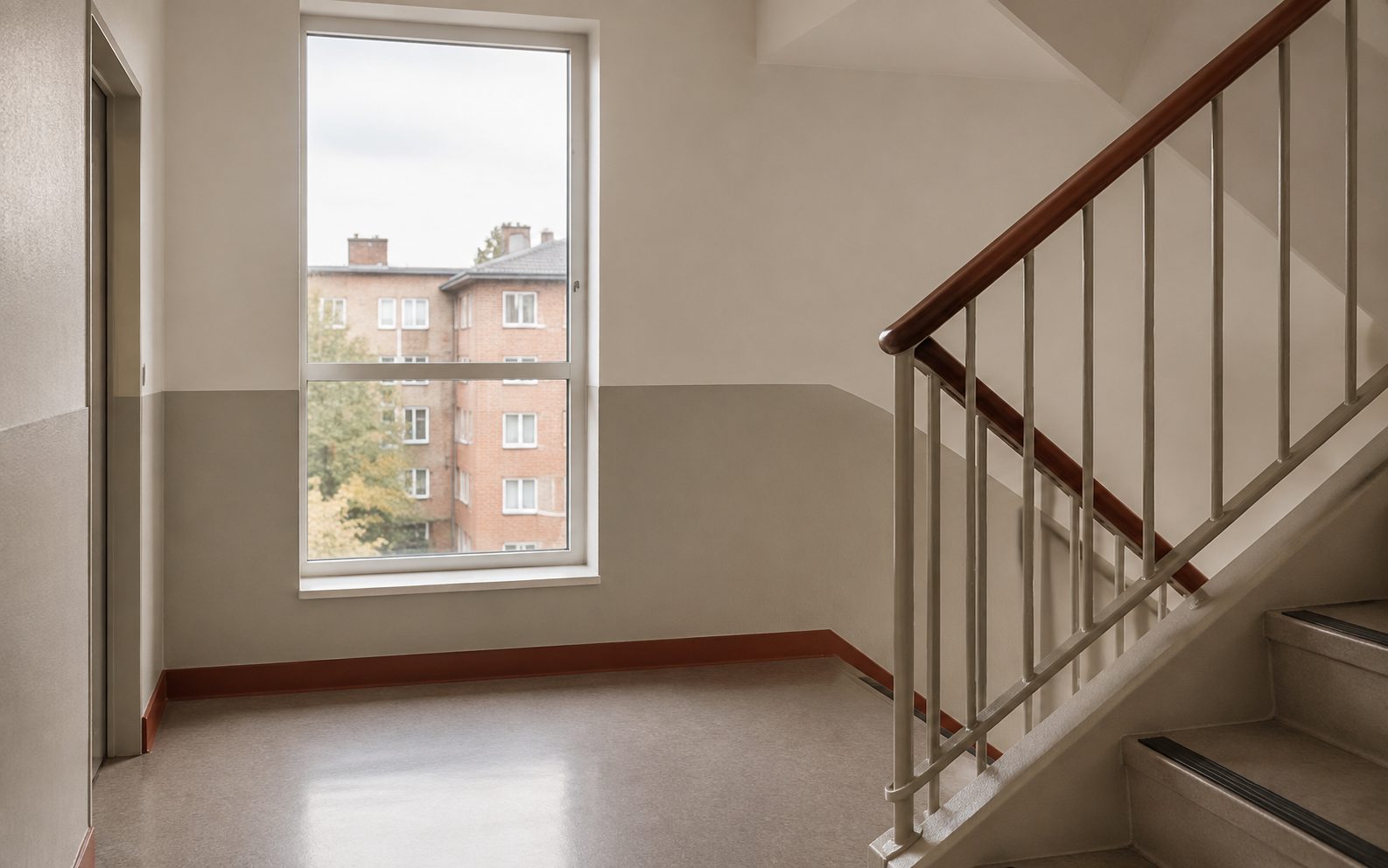
We do, through the service charge. Communal areas are maintained on a routine rather than when somebody complains: corridors and stairwells are cleaned, boundary hedges and lawns are cut, lighting and entry systems are checked, and bin and recycling areas are managed. Whether a particular piece of ground belongs to the development or to somebody else is recorded for each site, and we will tell you which is which rather than assuming.
I rent rather than own. Can I report a fault directly?
Yes. You live in the building, so you should be able to report a fault in the shared parts without going through a third party first. If the fault is inside your own home and your landlord is responsible for it, we will tell you so and point you back to them rather than leave you waiting. Either way, you will get a reply and a record.
What happens out of hours if something goes wrong?
Anything that threatens safety or makes the building unusable is handled outside normal hours as an emergency: a water leak, a loss of power to the common parts, a door entry system that has failed and left the building unsecured. The out-of-hours route is set out for each development and given to residents when we take the building on, so it is not something you have to guess at in the moment.
How do you choose and supervise contractors?
Insurance and the relevant certification are checked before a contractor is instructed, not afterwards. Where a job allows, we take more than one quote and compare scope as well as price, because the cheapest quote that does not cover the actual work is not cheaper. On site, hours and safety arrangements are recorded for each visit. When the work is done we inspect it and photograph it, and that record is kept against the property. Performance is reviewed before any contractor is renewed.
I think my service charge bill is wrong. What do I do?
Tell us, and ask for the breakdown. You are entitled to see how the charge for your development is made up, and we will take you through the items rather than repeat the total back to you. If something has been charged that should not have been, or an item looks wrong, we will correct it and say so in writing. The annual reconciliation is where the year is settled against actual spend, and we will explain the difference in either direction.
How are owners’ meetings held, and how do I raise something?
We arrange the meeting, circulate the paperwork in advance and record what is decided. If you want something added to the agenda, send it to us beforehand and we will put it on. If a decision cannot be taken at the meeting, we will say who is going to take it and by when, rather than leaving it open.
What kinds of property do you manage?
Residential blocks, estates and converted houses where there are shared parts to look after — communal hallways and stairs, shared grounds, entry systems, bin stores, shared services. If you are not sure whether your development fits, ask us and we will tell you honestly, including if it does not.
We are thinking of changing managing agent. How does a handover work?
We ask for the records: the service charge history, the insurance arrangements, the contractor list, outstanding works and the statutory documents. We then confirm in writing what we have received and what is still missing, so nothing disappears in the changeover. Residents are told who their contact is and how to reach them. If you would like to talk through a handover before deciding anything, that conversation costs you nothing.
Still stuck
Ask us directly
If your question is not here, send it through the form or ring during office hours and you will get an answer from a person.
Glen Bridge Management Company Ltd · Resident guidance →